


|
"As a professional member of TIES, I have successfully taken one of the TIES/George Washington University courses, specifically the one on Environmental Management. I have very successfully used that background to work with a local tourist attraction to make significant improvements in their operations. The list of things we accomplished is long and meaningful." - Dobbin Callahan, President of Skye Con
Program Details
The Certificate: We offer a professional Certificate in Sustainable Tourism Management, which is awarded jointly by TIES and the George Washington University (GWU). This program has been developed through a partnership with the GWU's International Institute of Tourism Studies, which has provided professional tourism education for nearly ten years.
Courses Currently Offered: Click on the course title to review course description.
• Sustainable Tourism Assessment and Development
• Sustainable Tourism Destination Marketing
• Electronic Marketing and Internet Applications (currently not available)
• Ecotourism Management
• Ecolodge Development
• Environmental Management for Destinations
• Tourist Guide Techniques
• Coastal and Marine Ecotourism
• Cultural Heritage Tourism
• Community-Based Tourism
Taking the Courses Online: These courses, designed as a self-managed process, can be taken online, on your own schedule, in the comfort of your home or office. Whether you enroll in one course or complete the entire certificate program, each course offers you an excellent opportunity to acquire knowledge and skills needed to improve your professional standing. Each of the units in a course contains a course workbook which can be downloaded, and other online resources. Some units contain multi-media pieces for you to listen to. After completing all of the units, you will be asked to complete a short quiz. Once you successfully complete the quiz, you have passed the course. Online students usually finish a course (the equivalent of 12 hours in the classroom) in about a month.
Certificate Requirements: In order to receive a certificate, you have to complete three core courses and three electives. The core courses are:
1. Sustainable Tourism Assessment and Development
2. Environmental Management for Destinations
3. Sustainable Tourism Destination Marketing
Registration Information: The cost for each course is $450, with TIES members receiving a $25 discount. You must register for courses through the links below and, while you may enroll in any number of courses at the same time, you must register and pay for each course individually. Once you register, you will be given access to GWU's online distance learning platform, which include course outlines.
Questions? If you have further questions regarding program details or specific courses, please contact us at: education[at]ecotourism.org.
Course Descriptions
Sustainable Tourism Assessment & Development
The rapid growth of tourism worldwide has created many challenges and opportunities for established and emerging tourism destinations. This course looks at how to conduct a tourism assessment to examine tourism potential, and how to measure the potential costs and benefits of a tourism development program.
Course topics include:
• Expand economic development in your destination
• Develop a community leadership model
• Compile visitor profiles and economic impact data
• Survey resident attitudes regarding tourism and its development
• Conduct visioning and goal setting activities with your stakeholders
• Assess tourism potential using a demand-driven marketing approach
• Conduct a preliminary competitive-advantage analysis, using attraction and facility inventory techniques
• Identify potential projects that contribute to economic development or investment promotion goals
• Implement social, economic, and environmental project analyses
• Establish strategic alliances and partnerships

back to top
Sustainable Tourism Destination Marketing
A practical, intensive, idea-packed approach to marketing tourism destinations. Examine how and why tourists make destination choices, and learn how to develop a strategic marketing system that emphasizes your destination's distinctive appeal. The course features case studies, and practical tips for stretching marketing dollars through better monitoring, cost controls and evaluation.
Course topics include:
• Identify and attract profitable market segments
• Create appeals that resonate with visitor benefits
• Establish strategic alliances and public-private partnerships
• Prepare an action-oriented marketing plan
• Spot opportunities in tourist spending patterns
• Track preferences of target visitors
• Add value to natural and cultural attractions
• Create and link attractions together
• Benchmark and counter competitor strategies
• Measure the performance of your marketing campaign
• Determine your return on your marketing investment

back to top
Electronic Marketing and Internet Applications (currently not available)
The course covers how to cost-effectively use cutting-edge technology to reach your target market segments. Case studies and workshop exercises provide opportunities to uncover practical, effective, proven solutions. Learn what works and what doesn't, in tourism destination websites.
Course topics include:
•Use the Internet as a communications and market development tool
• Determine how much to spend on Internet marketing and how cost-effective it will be
• Address on-line reservation and security issues
• Incorporate the Internet into your advertising and public relations strategies
• Use the Internet to attract new business partners

back to top
Ecotourism Management
Ecotourism has proven to be an economically viable alternative for attracting tourism revenue without compromising local community values or degrading the environment. This course provides the tools needed by tourism planners, conservationists, businesses and communities to work together to develop ecotourism plans and products that will attract and accommodate the ecotourist while conserving natural resources and benefiting local people. Designed to help you understand the unique structure of the ecotourism industry, the course provides the most recent information on ecotourism marketing approaches and product development.
Course topics include:
• Understand the basic elements of ecotourism, the market and market trends
• Assess the potential of individual and group ecotourist specialty markets
• Use green guidelines for operating a successful ecotourism business
• Analyze and address the special needs of ecotourists and local communities
• Establish an ecotourism planning process at the local and regional levels
• Develop trip circuits and travel packages that are safe and offer a wide variety of experiences
• Understand the vital role of interpretation and education in adding value

back to top
Ecolodge Development
As ecotourism continues to establish itself in the global economy, the demand for well-planned, environmentally sound lodging facilities is at an all time high. Ecolodges are the answer to this demand. Ecolodges enable the visitor to interact with the natural and cultural surroundings of the region. The facility is created with conservation as a top priority. Innovative water, waste and energy systems lessen impact and promote conservation while planning, construction and operation are carried out in harmony with the natural landscape. This course will help sustainable tourism specialists, investors, resort developers, architects and landscape architects assess the financial feasibility and market potential for an ecolodge. Market research results and trends in this industry will be reviewed in order to more accurately project costs and potential revenue, and determine whether an ecolodge venture is economically viable.
Course topics include:
• Assess the market demand for ecolodge types and the experiences they provide Estimate realistic cost projections/revenue potential and develop pricing strategies
• Find the best locations and evaluate site development opportunities and constraints
• Establish regional planning cooperation
• Develop a master plan to incorporate sustainable development and green guidelines into the project
• Benefit from the use of renewable energy technologies, and proper water and waste management
• Launch a successful ecolodge, including scheduling, budgeting, staffing, "soft" opening, vendor selection, public relations, transportation, and customer service

back to top
Environmental Management for Destinations
This course focuses on sustainable tourism strategies and innovations, including Agenda 21 and the Green Globe Destination Program. It examines how destinations have improved competitiveness by creating environmentally friendly tourism products and services. The course emphasizes establishing policies and management plans to identify and reduce the environmental impact created by tourism facilities and services, and looks at how to create environmental management systems (EMS) with broad public/private support.
Course topics include:
• Identify consumer demand for environmentally friendly tourism
• Develop and maintain a unified environmentally sustainable theme for your destination
• Develop an EMS policy and strategy, situation analysis, visioning, priority definition, gap analysis, and strategy formation
• Plan EMS implementation steps using environmental performance indicators and action plans
• Incorporate the EMS process into existing management regimes and design EMS training programs
• Review ongoing EMS and make adjustments to reflect failures, successes, and/or changing requirements

back to top
Tourist Guide Techniques
This course provides tourist guides and new entrants into the industry with essential skills to deliver an exceptional tour experience. A focus on practical information related to interpretation, guiding techniques, tour logistics and mechanics.
Course topics include:
• Explore motivations for travel to develop profiles of travelers
• Understand cultural heritage tourism issues in relation to tour guiding
• Understand the way tourist guides interact with tourism industry organizations
• List the different types of tours available and identify the challenges faced by each
• Explore the significance of interpretation and interpretive techniques
• Establish methods for working with groups of different cultural backgrounds and beliefs
• Enhance methods for working with groups of different cultural backgrounds and beliefs
• Enhance interpersonal skills ? presentation, public speaking, and social skills
• Develop techniques for dealing with tour logistics

back to top
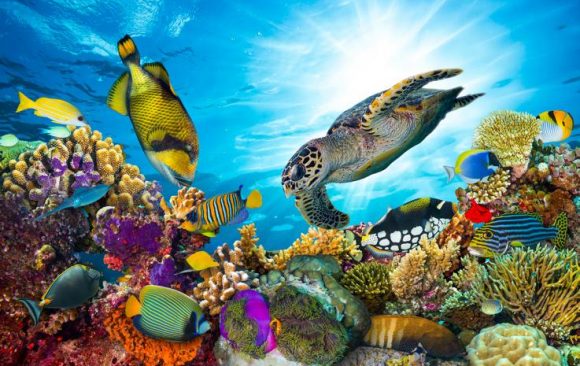
Coastal & Marine Ecotourism
As coastal areas and marine ecosystems (e.g., reefs, mangroves, beach/intertidal zones) in the more developed countries have degraded over time, tourists seek intimate contact with nature in more remote and pristine environments. This course assists destination managers, local resort managers, and government authorities in maintaining sustainable marine ecotourism and reef recreation activities while working with the local community to accommodate their needs and preserve the marine and coastal environment. It also shows how marine resorts in degraded areas must work with local authorities to rebuild marine resources to re-establish their place in the traditional coastal tourism and growing marine ecotourism market. Course topics include:
• Integrate coastal zone management and marine/reef conservation into a sustainable tourism development strategy
• Identify the special characteristics of marine ecotourists
• Use innovative resource planning techniques and coastal zone management best practices
• Establish zoning and visitor tracking methods
• Educate visitors and staff about low-impact forms of recreation
• Monitor and assess more accurately the long-term effects of tourism on local resources
• Increase government's commitment in marine park protection and effective coastal management
• Anticipate marine tourists' expectations
• Develop effective educational programs including guest briefings, videos and demonstrations

back to top
Cultural Heritage Tourism
Cultural and heritage tourism is a major force in the tourism industry, but one that must balance visitor interests and needs against protecting cultural and heritage resources. This course examines the range of cultural and heritage assets that can become viable tourism attractions, and looks at ways of linking quality cultural heritage tourism to community development, from effective planning and marketing to community involvement and partnership approaches.
Course topics include:
• Develop cultural and heritage resources as tourism attractions
• Marry cultural heritage tourism and economic development
• Use collaborative techniques to ensure community objectives and heritage preservation are served
• Conduct a resource assessment
• Facilitate community participation in developing a community-based cultural heritage tourism planning process
• Market cultural-heritage-related tourism services
• Use proven techniques to enhance the visitor experience
• Assess the potential of festivals and events to produce low impact and high visitation results
• Create strategic partnerships for funding and resources
• Use accreditation and certification processes to develop and monitor the cultural tourism development and marketing process (e.g., Iowa's TEAM/CEPP process)

back to top
Community-Based Tourism (CBT)
Students will be introduced to the issues and challenges of CBT, and will learn the elements and basic steps of planning and implementing CBT. Students will become familiar with:
• The concept, principles, and aims of CBT
• The various actors involved in CBT
• The critical importance of participation when developing and implementing a CBT venture
• The planning and implementation stages of a CBT venture
• The positive and negative impacts, and challenges of CBT.

back to top
|